
Europe just picked a fight with the modern smartphone.
Starting in 2027, every smartphone sold in the European Union has to let regular humans swap the battery themselves. No heat guns. No glue wars. No “genius” appointment. The rule is baked into the EU’s new battery regulation, and it bulldozes a decade of phone design built around sealed slabs: thinner, sleeker, and harder to fix.
The mandate covers portable devices under 5 kWh, so yes, phones, tablets, and wireless earbuds. Apple, Samsung, and everyone else have under three years to re-engineer product lines that have leaned heavily on glued-in batteries ever since the iPhone era kicked off in 2007.
The EU’s pitch is simple: make devices last longer and cut e-waste. The UN puts global e-waste at about 54 million metric tons a year. That’s roughly 59.5 million U.S. tons of discarded tech annually. The less-simple part: forcing a user-accessible battery back into phones messes with the holy trinity of modern hardware, water resistance, thinness, and battery size.
Apple and Samsung get 36 months to unseal the slab
For Apple, this is a straight-up architectural problem. The company ditched user-swappable batteries from day one, and it’s spent years selling durability as a lifestyle, especially with IP68 water resistance, a bragging point since the iPhone 7. An easy-access battery door and “sealed against water” don’t exactly hold hands.
Industry sources say Apple’s engineers are already playing with prototypes that use watertight locking systems. One idea floating around: a quarter-turn screw mechanism, think pro camera gear, so you can open it without tools while still keeping a serious seal. If that sounds like a headache, that’s because it is.
Samsung’s in the same boat. Its flagship Galaxy S line has been chasing thinness for years; the article cites the S24 Ultra at 7.6 mm thick, about 0.30 inches. That doesn’t leave much room for a battery access system without turning the phone into a slightly thicker brick or sacrificing something else. Samsung is reportedly looking at new composite materials to keep the frame rigid even with an opening mechanism built in.
And here’s the twist: this could actually help Chinese brands like Xiaomi or OnePlus. They’ve historically been less religious about shaving every last fraction of a millimeter, which might make them faster, and cheaper, at adapting.
Battery life takes a hit, and prices probably creep up
Swappable batteries aren’t free. The connectors and housings take up more internal space than a glued-in pack. That means less room for actual battery.
Counterpoint Research expects early EU-compliant models to lose about 10% to 15% of battery life. That’s not a rounding error. That’s the difference between making it to bedtime and hunting for a charger at 6 p.m.
Then there’s cost. Building a phone that opens easilyandstays watertight is more complicated than today’s sealed shells. IHS Markit estimates manufacturers could see production costs rise by about $30 to $50 per device. Consumers know how this movie ends.
But the repair side flips the script. Right now, battery replacement is a tidy little revenue stream. The article notes Apple charges 89 euros, about $95 at current exchange rates, for a battery swap. If users can do it themselves, that service revenue turns into a parts business… assuming companies don’t try to “parts-price” consumers into submission.
The bigger fear inside the industry is obvious: if people can swap a battery in five minutes, they might keep their phones longer. That slows the upgrade treadmill, and the treadmill is where the money is.
Electric cars already did the “swap” thing, phones are next
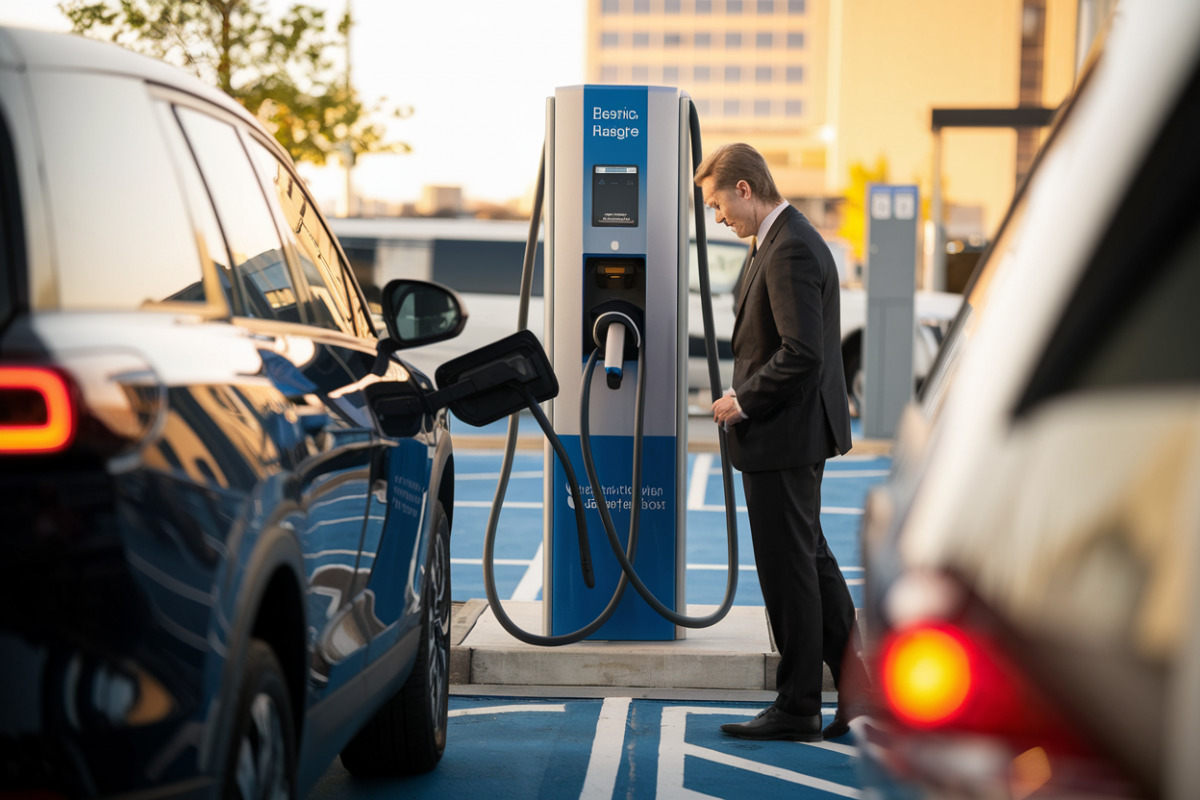
Europe’s battery rule fits into a broader push for the right to repair. And the EU isn’t pulling this idea out of thin air. The electric vehicle world has already been experimenting with battery swapping, most famously NIO, which offers battery exchanges in about three minutes at dedicated stations.
Phone makers have been quietly preparing, too. Recent patents from Google and Motorola describe modular battery systems for mobile devices, exactly the kind of paperwork you file when you suspect regulators are coming for your design choices.
And yes, the niche players are grinning. France’s Fairphone has been selling modular, repair-friendly phones with removable batteries since 2013. For years, it was the principled oddball. Now it looks like the EU’s teacher’s pet.
Don’t be shocked if this spreads. The EU has a habit of exporting its rules, GDPR-style, because global companies don’t love building one phone for Europe and another for everyone else. If it’s cheaper to standardize, they’ll standardize. And suddenly, a regulation written in Brussels becomes the reason you can swap a battery in Kansas.