


You know that plain white mushroom you toss into pasta or slice onto a salad? Turns out it’s been fighting the same ugly little war for more than a century.
In a lab at the University of Florida, researchers have been staring down the culprit behind the “blotch” disease that leaves white button mushrooms speckled, stained, and a lot less sellable. And their big takeaway isn’t some neat, single-villain story. It’s messier than that—because nature usually is.
The study, published in Microbiological Research, argues the disease isn’t driven by one bad actor. It’s powered by a whole crew: 17 different bacterial species linked to the blotches that have haunted mushroom growers season after season.
A century of blotches—and no simple fix
Blotch disease isn’t new, trendy, or mysterious in the “we just discovered it” sense. According to the Florida team, growers have been dealing with it for more than 100 years. That kind of longevity is a clue all by itself: if one easy explanation or one silver-bullet treatment existed, the industry would’ve used it sometime between World War I and TikTok.
And this isn’t just a cosmetic gripe. In produce aisles, looks are money. A mushroom can be perfectly edible and still get passed over because it has ugly spots. Blotch hits right where it hurts: consumer perception and market value.
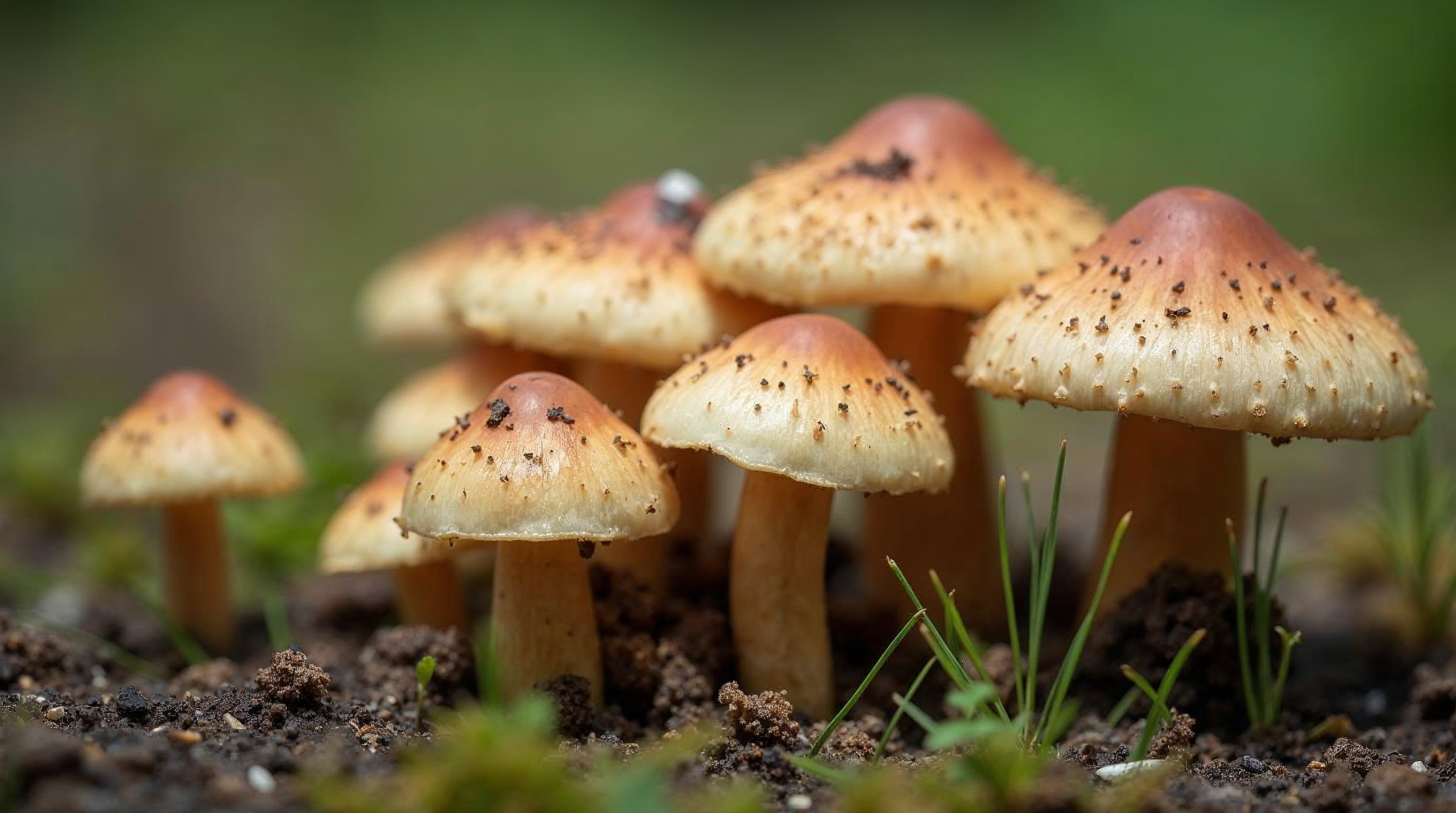
The researchers frame their work as a key step toward finally making sense of a problem that’s lingered through generations of farming practices. The target mushroom here is the white button mushroom—what French readers call the “champignon de Paris,” basically the default mushroom in American supermarkets.
The paper also leans into the irony: this is a nutrient-rich food people buy because it feels wholesome and versatile. Yet it’s also been stuck with a stubborn disease that keeps messing with its appearance.
The twist: it’s not one bacterium—it’s 17
Here’s the headline inside the headline: the study identifies 17 bacterial species associated with fueling blotch disease.

Most people hear “disease” and picture a single germ you can name, blame, and hopefully wipe out. This research pushes back on that tidy story. The Florida team describes something closer to a microbial posse—multiple species implicated, potentially interacting, coexisting, and keeping the problem alive.
That matters because it changes how you’d even try to control it. If growers target one bacterium and the rest of the group can still keep the blotch machine running, you’re basically playing whack-a-mole with microbes.
It also helps explain why the disease has been so hard to stamp out for so long. A community of bacteria can be resilient in a way a lone species isn’t—different players can thrive under different conditions, and the overall system keeps going.
To shoppers, it’s just a spot on a mushroom cap. To microbiologists, it’s a whole biological architecture hiding in plain sight.
Why publishing in Microbiological Research matters
The journal choice signals what kind of work this is: microbiology that gets into the weeds—identifying bacteria, separating species, and connecting their presence to a real-world disease.
The original framing—what’s happening “under the mushroom caps”—gets at the point. The blotches are visible. The causes live in a microscopic world where the difference between species isn’t trivia; it’s the whole ballgame.
When a disease sticks around for a century, “we sprayed something and it seemed better this year” doesn’t cut it. You need mechanism-level understanding, the kind that can lead to sturdier control strategies than trial-and-error.
A healthy food with an unglamorous vulnerability
White button mushrooms get sold as nutritious, easy, and good for you. All true. But blotch disease is the reminder that “healthy” doesn’t mean “hardy,” at least not in the supply chain.
The study’s real contribution is the shift in perspective: stop hunting for a single culprit and start treating blotch as a group project—one apparently involving 17 bacterial species.
So the next time you see a mushroom that looks a little scuffed up, remember: that blemish may be the visible tip of a microbial pile-up scientists are still trying to untangle—more than 100 years after growers first started complaining about it.


