


You know that plain white mushroom you toss into pasta like it’s culinary wallpaper? Turns out it’s been fighting a nasty little cosmetic war for more than a century—and the enemy isn’t one bad bug. It’s a whole crew.
Researchers at the University of Florida say they’ve finally pinned down what’s behind the stubborn “spot disease” that keeps showing up on white mushrooms (the kind Americans usually call button mushrooms, the French call champignon de Paris). Their study, published in Microbiological Research, points the finger at 17 different bacterial species working in concert to produce those ugly blemishes that can tank a crop’s value fast.
A century-old mushroom problem, and growers still can’t shake it
This isn’t some new lab curiosity. The Florida team describes the spotting disease as a long-haul pest—something that’s been hanging around mushroom cultivation for over 100 years. And when a problem survives that many decades of smarter farming, better sanitation, and modern production tricks, it usually means the “one cause, one fix” story was never true.
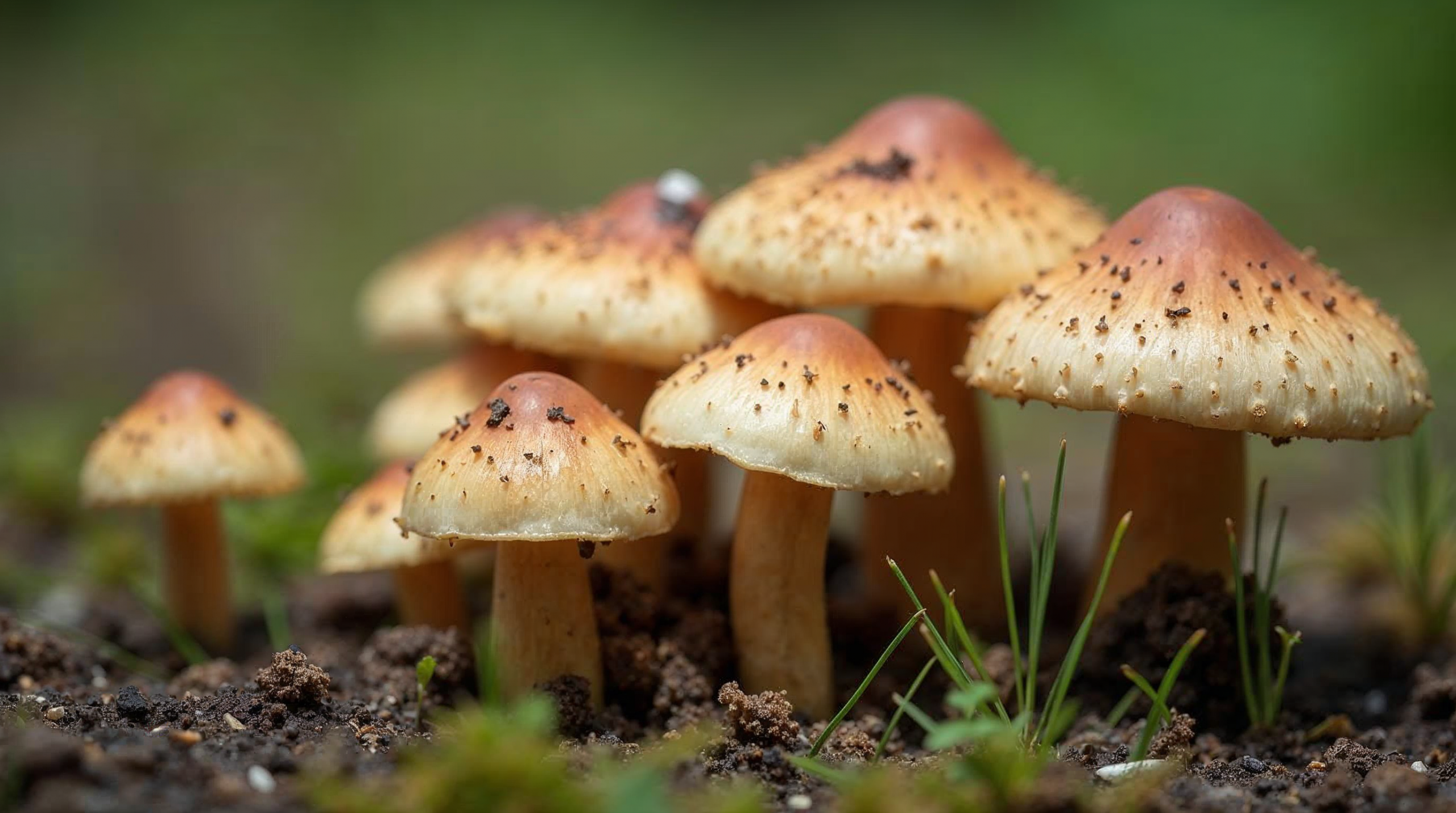
The study frames the breakthrough as a key step toward connecting a lot of scattered observations. And yes, this is about looks—spots on a mushroom cap. But in the produce business, “looks” is money. A mushroom can be perfectly edible and still get downgraded or rejected because it doesn’t photograph well in a plastic clamshell.
The irony is that the white button mushroom is constantly marketed as the wholesome, versatile, nutrient-packed workhorse of the grocery store. The researchers lean into that point: this isn’t an obscure fungus for foragers. It’s a mainstream food, and the disease hits right where the market is most unforgiving—appearance.
Seventeen bacteria, not one: why that number matters
Here’s the headline inside the headline: the Florida researchers identified 17 bacterial species that “feed” the spotting disease. That wording matters. They’re not describing a lone villain. They’re describing a system.

Most people grow up with the cartoon version of disease: one germ causes one illness, so you hunt it down and wipe it out. This study argues the mushroom story is messier. If a whole community of bacteria can contribute to the same visible damage, then targeting a single species is like arresting one guy in a 17-person crew and acting shocked when the job still gets done.
And that helps explain the disease’s staying power. A multi-bacteria setup can persist, adapt, and reshuffle. Some species can hang back while others take the lead, or they can coexist in ways that keep the problem alive season after season. Under that smooth white cap is an ecosystem—and the end result is the same for shoppers: spots.
The researchers’ emphasis on a specific count—17—also gives the field a concrete to-do list: identify who these bacteria are, how they show up together, and what each one is contributing to the damage.
Why publishing in Microbiological Research signals a deeper dive
The study landed in Microbiological Research, which is basically a signpost saying: this isn’t just “we noticed some spots.” This is microbiology—sorting species, tracking microbial interactions, and tying their presence to a real-world plant (or in this case, fungus) health problem.
The original framing—what’s happening “under mushroom caps”—gets at the point: the spots are obvious, but the causes live in a microscopic world where tiny differences between species can change everything.
For a disease that’s outlasted generations of growers, that kind of fine-grained work is the only way you get beyond folk wisdom and half-effective fixes.
A cheap, healthy staple—still vulnerable where it hurts
The white button mushroom sits in a weird place: it’s widely seen as healthy and easy, but it’s also fragile in the marketplace. A blemish doesn’t just offend the eye—it can hit sales, pricing, and waste.
The Florida study’s real contribution is a shift in how to think about the problem. Spotting disease isn’t being driven by a single culprit. It’s being propped up by a bacterial posse. That means any serious attempt to prevent or control it probably has to deal with the whole microbial neighborhood, not just one “usual suspect.”
So yeah, the next time you slice up a button mushroom, remember: under that clean white cap is a tiny battlefield—and scientists are finally naming the combatants, 17 of them.


