


Fishermen haul up jellyfish by accident all the time. Usually it’s a slimy nuisance—something that clogs nets, slows sorting, and gets tossed back or trashed. Now researchers in Valencia, Spain, want to flip that script: stop treating those jellyfish like garbage and start treating them like raw material.
The prize? Collagen—the protein that fuels a huge chunk of the cosmetics business and plenty of biotech research. If you can pull usable collagen out of jellyfish that are already getting scooped up as bycatch, you’ve got a new supply line that doesn’t require sending boats out to “hunt” anything.
Why jellyfish collagen has cosmetics and biotech sniffing around
Collagen is the workhorse protein behind a lot of products people rub on their faces and a lot of lab work people never see. In cosmetics, it’s tied to texture, feel, and that familiar marketing promise of smoother-looking skin. Consumers also keep pushing brands toward ingredients that sound “natural” and can be traced back to a source that isn’t sketchy.
In biotech, collagen can function as a building material—think scaffolds, matrices, and other structures used in research and development. The article doesn’t claim jellyfish collagen is ready to replace existing sources tomorrow. The point is simpler: multiple industries want collagen, so scientists are hunting for alternative sources that don’t come with ugly environmental baggage.
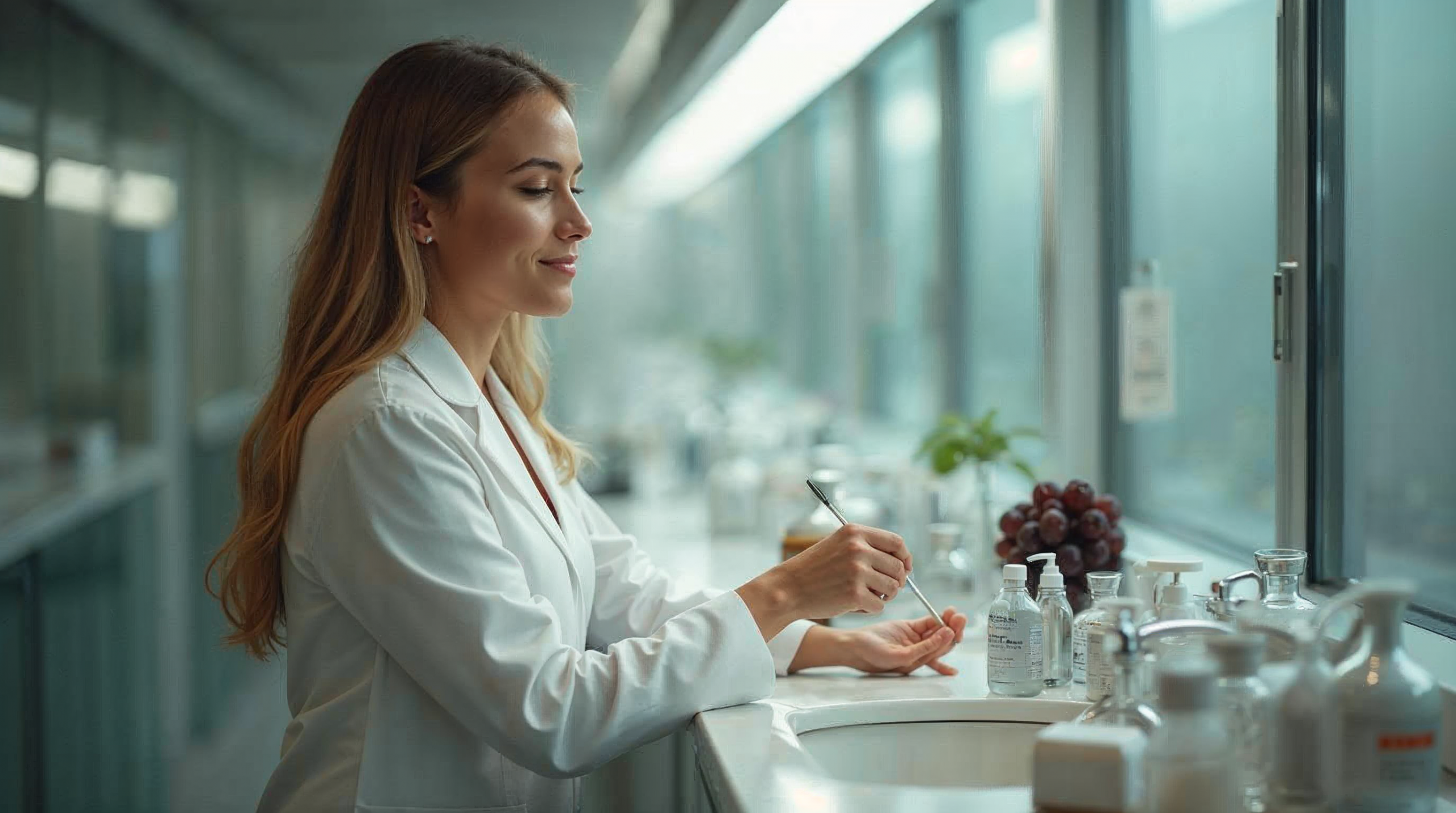
Jellyfish enter the conversation because they’re already showing up in nets as non-target catch. That’s the hook: you’re not creating a new extraction industry from scratch—you’re trying to make smarter use of what’s already being pulled out of the water.
But turning “free stuff in the net” into a real ingredient isn’t a cute slogan. It’s a chain: identify the species, collect them, process them fast, control quality, and prove the end product is consistent. The source material here frames the scientific direction, not an industrial rollout—no factory blueprint, no timeline, no “coming next quarter” hype.
Bycatch reality: turning a net-clogging headache into a usable stream
Bycatch is a practical problem before it’s an environmental one. It eats time on deck. It complicates sorting. And it usually ends with the unwanted catch getting dumped or destroyed.
The researchers’ argument is basically: if jellyfish are already coming up, they’re already “available”—as long as handling them doesn’t become a bigger hassle than the value you get back. That’s the tightrope. If the process adds extra labor, extra storage, extra transport headaches, and extra rules… fishermen won’t bother.

The sustainability angle matters here, too. The research group explicitly talks about “sustainable use” of marine resources, and there’s a bright line they’re trying not to cross: using accidental catches isn’t the same thing as launching an intensive jellyfish fishery.
Where this lives or dies is in the unglamorous details: how you preserve jellyfish long enough to be useful, how you transport them, how quickly you can process them, and whether you can deliver stable quality batch after batch.
What’s happening in Valencia—and who’s leading it
The work highlighted in the RSS summary is based in Valencia and centers on a researcher named Ainara Ballesteros, a Juan de la Cierva postdoctoral scientist at the Institute of Environment and Marine Science Research at the Catholic University of Valencia. She leads a group focused on jellyfish biology, aquaculture, and sustainable use of marine resources.
That matters because this can’t be run like a cosmetics trend piece. Before anyone starts bottling “jellyfish collagen serum,” somebody has to do the boring science: which species work, how variable they are, what properties the collagen actually has, and what processing constraints you can’t wish away.
The researchers are trying to drag the conversation away from “jellyfish are a gold mine” and toward the questions that decide whether this is real: which jellyfish, what properties, what processing limits, and what uses actually make sense.
What this could mean for industry—and for consumers
For maritime industries, the immediate shift is conceptual: bycatch jellyfish stop being pure waste and start looking like a stream that might be handled differently. If a collection-and-processing pipeline ever gets built, that could mean new onboard sorting and handling routines—and new arguments about logistics, rules, and who’s responsible for what.
For the rest of us, the impact would show up in ingredient lists and lab materials: new collagen inputs for cosmetics, and potentially new biomaterials for biotech. And if companies try to sell this as “sustainable,” they’re going to get grilled on basics: where it came from, how it was collected, and how quality is verified.
The tell, over the next months, won’t be glossy marketing. It’ll be whether research like the Valencia work turns into partnerships and repeatable processes—without sliding into the kind of extraction frenzy that would blow up the whole “sustainable use” premise.


