
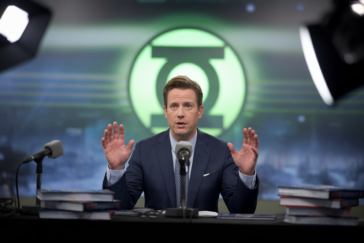
Grant Morrison has a message for DC’s brain trust: if you’re embarrassed by Green Lantern, don’t make a Green Lantern show.
The legendary comics writer, best known to American fans forAll-Star Supermanand a long, weird, wonderful run through DC and Marvel, has publicly taken aim at Damon Lindelof, one of the big-name creatives reportedly tied to HBO’s upcomingLanterns. Morrison’s beef isn’t personal gossip. It’s a creative indictment: the creeping Hollywood habit of sanding down superhero sci-fi until it looks like “serious” TV.
And because DC is betting big onLanternsas a cornerstone of its new shared universe, circling the nextSupermanfilm, Morrison’s broadside lands like a flare in a dry forest.
Morrison’s core complaint: “Realism” is just snobbery in a nicer suit
Morrison isn’t arguing for more laser beams because laser beams are cool (though, yes, they are). He’s calling out a posture: the prestige-TV reflex that treats comic-book conventions like something shameful that must be “fixed” with grit, restraint, and a color palette that looks like wet cement.
In Morrison’s telling, that impulse isn’t artistic bravery, it’s social signaling. A way for creators to say, “Relax, I’m not one ofthosenerds,” while cashing the franchise check anyway.
He goes further, accusing Lindelof, at least as Morrison frames it, of treating fans like idiots by acting as if the imaginative core of Green Lantern is a problem to be solved rather than the whole point of the assignment.
Green Lantern without the cosmic weirdness is just another cop show with a logo
Here’s the thing: Green Lantern is built on a concept that laughs at “grounded.” A ring that turns willpower into physical constructs. Intergalactic police. Alien corps. A sprawling cosmic mythology that exists because comics can do what “realistic” TV usually won’t.
Morrison’s fear is simple: strip out the exuberant sci-fi and you don’t get a smarter Green Lantern, you get a generic thriller wearing Green Lantern’s name tag.
And if the plan is to pivot toward a procedural framework, earthbound cases, limited spectacle, lots of talking in dim rooms, Morrison sees that as the classic adaptation compromise: keep the brand, shrink the imagination, save money on VFX, and hope newcomers don’t notice what’s missing.
Why this fight matters to DC right now
DC Studios is trying to build a coherent new franchise architecture.Lanternsisn’t being pitched as some side quest; it’s positioned as a load-bearing piece of the strategy, with connective tissue to the upcomingSupermanand whatever else follows.
That makes the tone debate more than fan nitpicking. “Realistic” doesn’t just mean mood, it affects everything: what stories you tell, how often you leave Earth, how expensive each episode gets, and whether the show feels like Green Lantern or like “HBO does detectives… again.”
HBO’s brand adds pressure, too. The network is synonymous with “adult” TV, which too often gets translated into “cynical” or “ashamed of fun.” Morrison’s warning DC not to confuse prestige with self-denial.
Morrison’s jab at Lindelof: If you’re that talented, why take the gig?
Part of Morrison’s critique is about creative fit, and, frankly, creative ego. Lindelof has the résumé to make his own projects. So Morrison’s question (the one he keeps circling) is: why sign onto a superhero property if you don’t buy into the genre’s basic grammar?
To Morrison, “we’re making it realistic” can sound less like a creative choice and more like a preemptive excuse, like the source material is something you have to outgrow in public while you’re adapting it.
Morrison does toss in a tactical concession: sure, the show could still end up good. But he twists the knife right after, good isn’t the ceiling if the people in charge stop acting like they’re above the genre.
The bigger accusation: Hollywood keeps hiring the same taste, then wonders why everything tastes the same
Underneath the Morrison-vs.-Lindelof headline is a familiar industry problem: cultural inbreeding. The same circles hiring the same sensibilities, chasing the same “serious” signifiers, and sanding down anything that might look too strange, too colorful, too comic-book.
That’s why this argument keeps coming back in superhero media. Studios want the mass audience, not just comic readers, so they dilute the mythology. Morrison’s counterpoint is blunt: broadening the audience shouldn’t mean watering the drink until it’s flavorless.
And he’s right about one thing that executives hate admitting: the adaptations that actually stick in people’s brains usually commit to a point of view. They don’t apologize for what they are.
What we still don’t know: whether “Lanterns” is actually guilty of any of this
To be fair,Lanternshasn’t aired. This is a preemptive fight, built on reported creative associations, public chatter about tone, and the familiar marketing move of promising something “different” to combat superhero fatigue.
But Morrison’s warning is clear enough: if DC sells Green Lantern by downplaying the imagination, it’s not elevating the material. It’s gutting it.