
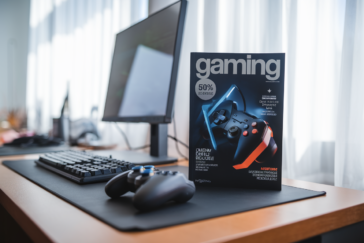
GameStar is doing what a lot of legacy media outfits do when the internet eats their lunch: it’s cutting the cover price in half and stuffing the bag with freebies.
The German gaming magazine is pushing a “Spring Sale” deal at50% off, toutingthree full PC games, aredesigned layout, and a promise that the magazine is “even better than before.” Translation: please give print another shot, here’s something you can measure immediately.
And that’s the tell. This isn’t just a discount. It’s an editorial flare shot into the sky: GameStar knows it’s competing with YouTube reviews, Twitch streams, newsletters, Discord chatter, and a thousand independent creators who can publish instantly and for free.
The pitch is simple, lower the barrier to entry, get people to sample, then hope they stick around. Old playbook. Brutal new arena.
A 50% “Spring Sale” isn’t subtle, it’s a recruitment drive
A 10% discount is for loyalists. A 50% haircut is for people who’ve stopped buying magazines entirely.
Spring is also a convenient moment to try this. It’s typically a quieter stretch in the release calendar than the fall blockbuster season, and it doesn’t have the same event gravity as summer showcases. Attention is scattered, wallets are tired, and a deep discount can jolt fence-sitters into a trial purchase.
But aggressive promos come with baggage. In European print, especially niche enthusiast titles, single-issue sales have been sliding for years as mobile habits take over and impulse buys fade. A half-off offer doesn’t automatically mean panic, but it does scream urgency: GameStar wants new readers in the door fast.
GameStar’s messaging tries to avoid the “clearance rack” vibe by pairing the discount with “we improved the product.” Smart. Readers can smell a desperate dump of inventory from a mile away.
Three full games: the oldest trick in PC magazine history, still effective
The three included “full versions” (the promo copy uses the German termVollversionen) are the real hook, because they make the purchase feel rational even if you only skim the articles.
This is the modern echo of the classic PC-mag move: back in the day you bought the issue for the diskette, then the CD, then the DVD. Now it’s download codes and bundles. Same psychology, updated packaging.
It’s also a direct response to subscription ecosystems that have trained gamers to expect “free” games: Xbox Game Pass, PlayStation Plus, Prime Gaming. A magazine can’t compete on volume, so it tries to compete onselection, and on the idea that curated reporting and criticism can give the industry some shape, not just noise.
Here’s the catch: the announcement (as provided) doesn’t say which games they are, how old they are, what platforms/launchers they require, whether there are regional restrictions, or how long the deal lasts. Those details matter. A “free” game that’s tied to a launcher you hate, or a key that expires, can turn a value prop into a headache.
And yes, there’s always the faint whiff of “marketing influence” when media bundles content. Most readers can separate editorial from perks, but the line gets blurry if the freebies feel too cozy with partners. Transparency is the difference between a bonus and a credibility problem.
A new layout: print’s last remaining advantage is readability
GameStar is also selling a “new layout” like it’s a feature, not a facelift. That’s because in print, design isn’t decoration, it’s the product.
A better layout means clearer hierarchy, less clutter, smarter use of screenshots, performance charts, comparisons, guides, the stuff gaming magazines live and die on. If the pages are a mess, readers bounce. If the pages breathe, print can still feel luxurious in a way a doomscroll never will.
The tightrope is identity. Go too minimalist and you sand off the personality that made the magazine worth buying in the first place. Go too busy and you look dated. GameStar’s promise suggests it’s aiming for “modernized” rather than “reinvented,” which is usually the safer bet with long-time readers.
The hard part: “better than before” has to show up in the reporting
Every magazine says it’s getting better. Gaming audiences are famously allergic to empty hype.
If GameStar wants this to work beyond a one-time bargain hunt, it needs pages that do what the algorithm can’t: real reporting, clear methodologies in reviews, strong editing, and stories that aren’t just rewritten press releases. The kind of coverage that explains publisher strategy, digs into development realities, and holds up after the news cycle moves on.
The uncomfortable truth baked into this promo is that editorial alone often doesn’t close the sale anymore, hence the three-game sweetener. That can be pragmatic rather than shameful. But long-term loyalty won’t come from freebies. It’ll come from whether the magazine actually earns the space on your coffee table.