
Elon Musk is at it again, shaking up industries like a tech-savvy tornado. This time, he’s merging SpaceX and xAI into a colossal $1.25 trillion entity. But this isn’t just about stacking cash; it’s a master plan to fuse the realms of space exploration and artificial intelligence, potentially rewriting the future of both fields. On one side, you’ve got SpaceX, the trailblazer in private space ventures, and on the other, xAI, a rising star in the AI universe.
SpaceX and xAI: A Calculated Union
SpaceX isn’t just about rockets anymore. Since its inception, it’s been pushing the envelope on space innovation. Now, by absorbing xAI, it’s looking to blend technological breakthroughs from both sectors into a unique synergy. Musk’s long-term vision isn’t just about launching satellites; it’s about transforming Earth’s orbit into a massive computing hub. Experts predict this could drastically cut energy and AI operational costs.
The merger was announced with much fanfare, and its implications are staggering. Space data centers could become the norm, positioning SpaceX as the undisputed leader in this new frontier. Competitors are already feeling the heat.
Of course, this isn’t without its hurdles. Logistics, costs, and international regulations are significant barriers Musk will need to overcome. But if anyone can do it, it’s him.
The Power of Space Data Centers
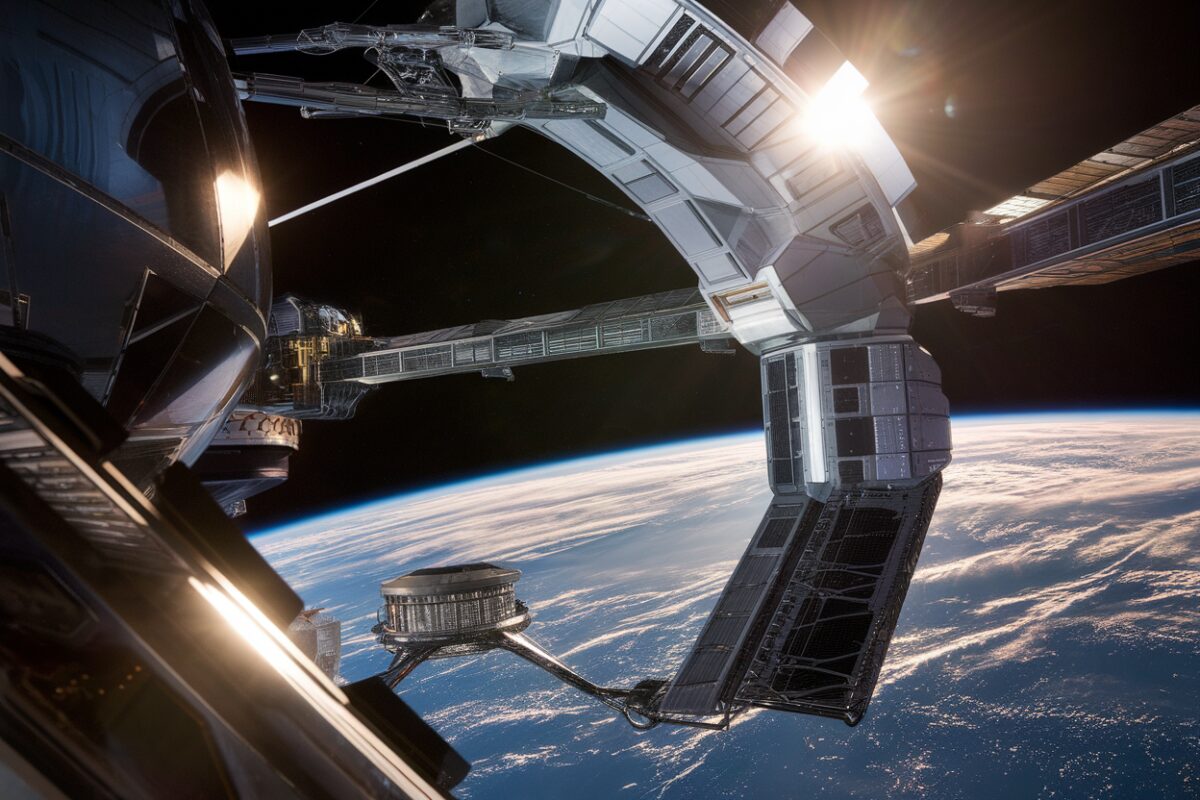
The idea of space-based data centers might sound outlandish, but Musk is thinking big. Space offers unique advantages: constant sunlight for solar power, minus the usual Earthly constraints. These space data centers could revolutionize the AI industry, handling complex, energy-intensive calculations far from Earth, freeing up precious resources down here. Musk plans to launch up to a million satellites to support this vision.
The benefits are clear: lower energy costs, reduced carbon footprint, and nearly limitless computing power. But there are potential downsides too, like space debris, collision risks, and remote management challenges.
For now, Musk remains optimistic. He believes that in two to three years, space will be the most profitable place for AI development—a vision that could reshape our approach to computing.
Impact on Space and AI Sectors
The SpaceX-xAI merger could redefine the rules in both the space and AI sectors. By uniting these giants, Musk is creating an entity capable of competing with the biggest names in the industry. In space, SpaceX continues to dominate with regular launches and ambitious projects like Starship. With xAI in the mix, these projects gain an extra layer of AI-driven innovation.
On the AI front, merging with SpaceX opens new doors. Space-based computing capabilities could accelerate the development of new AI technologies, making possible advancements that seemed distant.
But this dominance also raises questions. What role will other players have in this new ecosystem? Will governments allow a private entity to wield such power? These are questions that remain unanswered.
Technical and Ethical Challenges
Elon Musk may be a visionary, but he can’t ignore the technical and ethical challenges this merger presents. Launching a million satellites is a massive logistical feat. Managing space debris, mission safety, and the sustainability of these installations are issues that need addressing.
Then there’s the ethical side. Using AI in space opens doors to surveillance and control scenarios that are already causing concern. Data protection, privacy, and military implications are topics Musk will need to address clearly.
Experts also highlight challenges related to energy management and maintaining space installations. A technical glitch thousands of miles away is a whole different ballgame.
Despite these hurdles, Musk remains confident. He believes the benefits outweigh the drawbacks. But he’ll need to convince the rest of the world.
Building a Space Future
The SpaceX-xAI merger is just a step in Elon Musk’s grand vision. His ambitions go beyond mere space data centers. He dreams of autonomous bases on the Moon and colonies on Mars. Some of these ideas may seem far-fetched, but he’s already proven he can pull off miracles. Developing these projects could transform our space and tech future.
For now, all eyes are on Musk and his ventures. Will he overcome the technical and financial obstacles? And how will governments and other industry players react?
One thing’s for sure, the future looks exciting. And if anyone can turn these dreams into reality, it’s Elon Musk. Meanwhile, the world watches every step of this ambitious enterprise closely.
Key Takeaways
- The merger of SpaceX and xAI creates a $1.25 trillion entity
- Space data centers could revolutionize the AI industry
- Elon Musk aims to overcome major technical and ethical challenges