


Forget wand fights and CGI fireworks. One of the most human “Harry Potter” stories is about something way smaller: a pair of fake teeth.
Matthew Lewis—the guy who played Neville Longbottom—says those chompers messed with his head when he was a teenager. Not because they were painful or badly made, but because they made him feel like the kid everyone was staring at. Which, in a mega-franchise where every frame gets freeze-framed by fans, is basically a teen’s worst nightmare.
Neville’s look wasn’t an accident—it was built, piece by piece
Movie sets run on decisions. Hair, wardrobe, lighting, props—nothing is “whatever.” And Neville, especially in the early films, needed to read instantly on screen: awkward, overlooked, sweetly out of step with the cooler kids at Hogwarts.
So the production used props to nudge Lewis into that version of Neville. The fake teeth were part of the package, right up there with the clothes and styling. Except teeth aren’t like a sweater. Teeth live on your face. They hijack your smile. They mess with how you think you look.
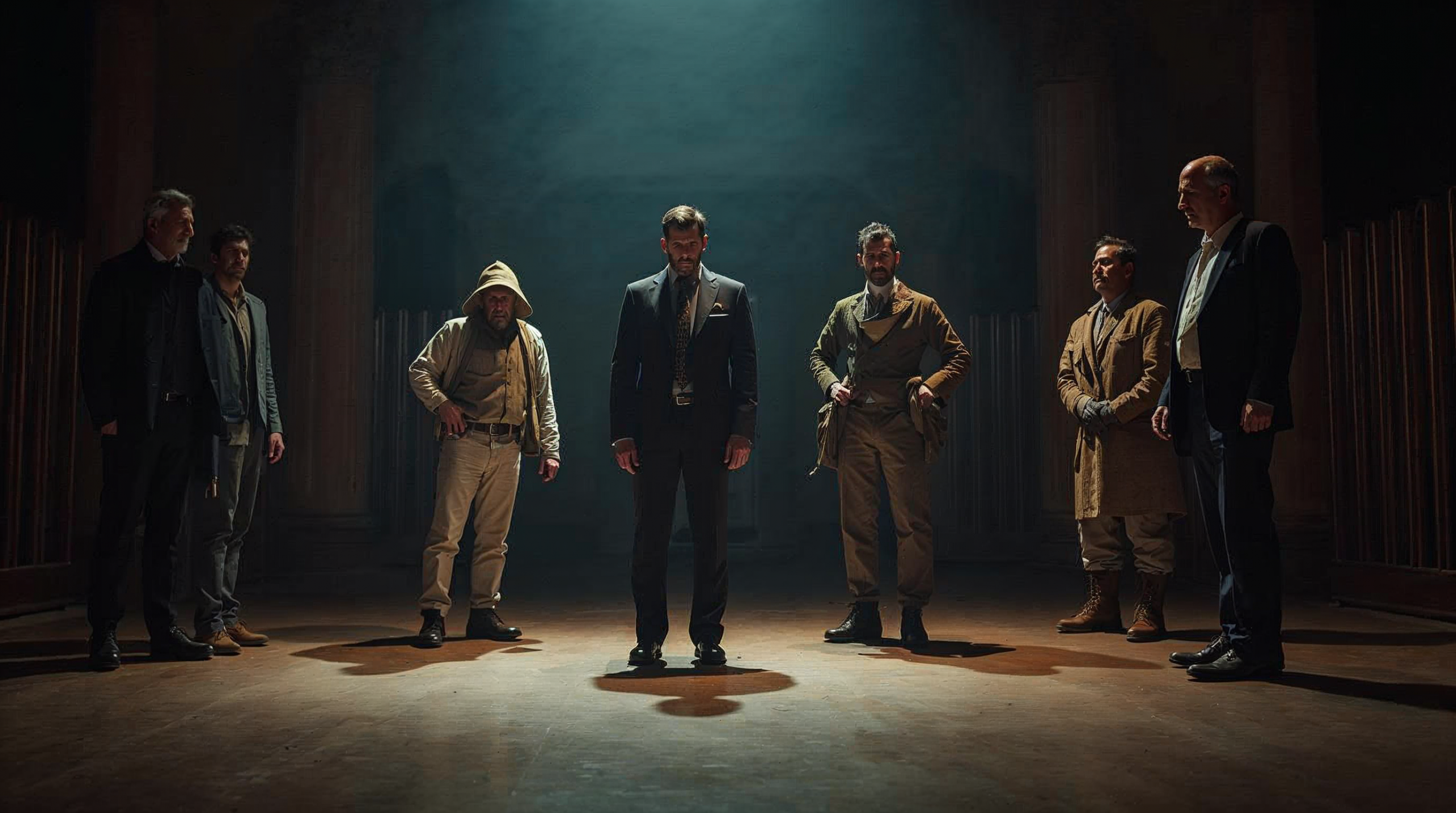
And that’s where the line gets thin. For the crew, it’s storytelling. For the actor wearing them—especially a young one—it can feel like a label stapled to your forehead.
Lewis admits that as an adolescent, he didn’t think it was “cool.” That word does a lot of work. “Cool” is teen currency. “Cool” is survival. And fake teeth designed to make you look dorkier? Yeah, that’s not exactly a confidence booster when you’re still figuring out who you are.
Teenage brain + a global franchise = maximum embarrassment
According to the RSS summary referenced in the original piece, Lewis flat-out says he was ashamed of the fake teeth at the time. That’s not some dramatic Hollywood trauma confession—it’s the plain, familiar sting of being a teenager.
On a set, everything is communal and approved: designers design, directors direct, everyone signs off. But inside a teenager’s head, it’s personal. What the crew sees as a harmless prop can feel like the one thing people will remember about you.
There’s also the weird paradox of acting: the prop is supposed to help you become the character, but it also keeps reminding you you’re being altered. Lewis isn’t taking a shot at the makeup team or the filmmakers. He’s describing that specific discomfort of being recognized—photographed, watched, talked about—while wearing a face that doesn’t feel like yours.
And when you’re shooting a long-running franchise, those details don’t just exist for one scene. They stick to an era of your life. For Lewis, that era happened to be smack in the middle of adolescence, when self-image is already a daily knife fight.
Now he says he’d love it—because adulthood changes the math
Here’s the twist: Lewis says that today, he’d be thrilled to do that kind of transformation.
That’s the whole story in one clean reversal. What once felt like humiliation now sounds like fun—an actor’s tool, a chance to disappear into a role. Same object, same goofy effect, totally different relationship to it.
As a teen, you’re trying to control the way people see you. As an adult—especially as a working actor—you start valuing the freedom to look ridiculous on purpose. You stop treating every unflattering angle like a verdict.
Lewis doesn’t erase the memory; he re-files it. The fake teeth didn’t change. He did.
He kept the teeth—because the thing that embarrassed you can become a souvenir
The most cinematic detail is the last one: Lewis ended up taking the fake teeth home as a keepsake.
You don’t hang onto something that used to make you cringe unless its meaning has flipped. What was once an awkward badge becomes a personal artifact—proof you survived being young in public, and lived long enough to laugh about it.
In big productions, props usually vanish into storage, get cataloged, reused, or tossed into some warehouse purgatory. These didn’t. They became his—an oddly intimate little relic from a time when he was growing up under a microscope.
Call them movie teeth if you want. For Lewis, they’re also a timestamp: the gap between the kid who felt exposed and the adult who can look back with a little irony—and maybe even affection.


